




SAF Tracker Icon SAF Tracker

2026 May SAF Tracker highlights – #85

The global SAF market is moving at a breakneck pace, with three continents launching massive infrastructure and funding plays simultaneously. From Mexico kickstarting its first physical blending pilot this year and China establishing its first complete Greater Bay Area supply chain, to LanzaTech securing Belgium for Europe’s debut commercial Alcohol-to-Jet facility, the momentum is undeniable. […]

News Icon News

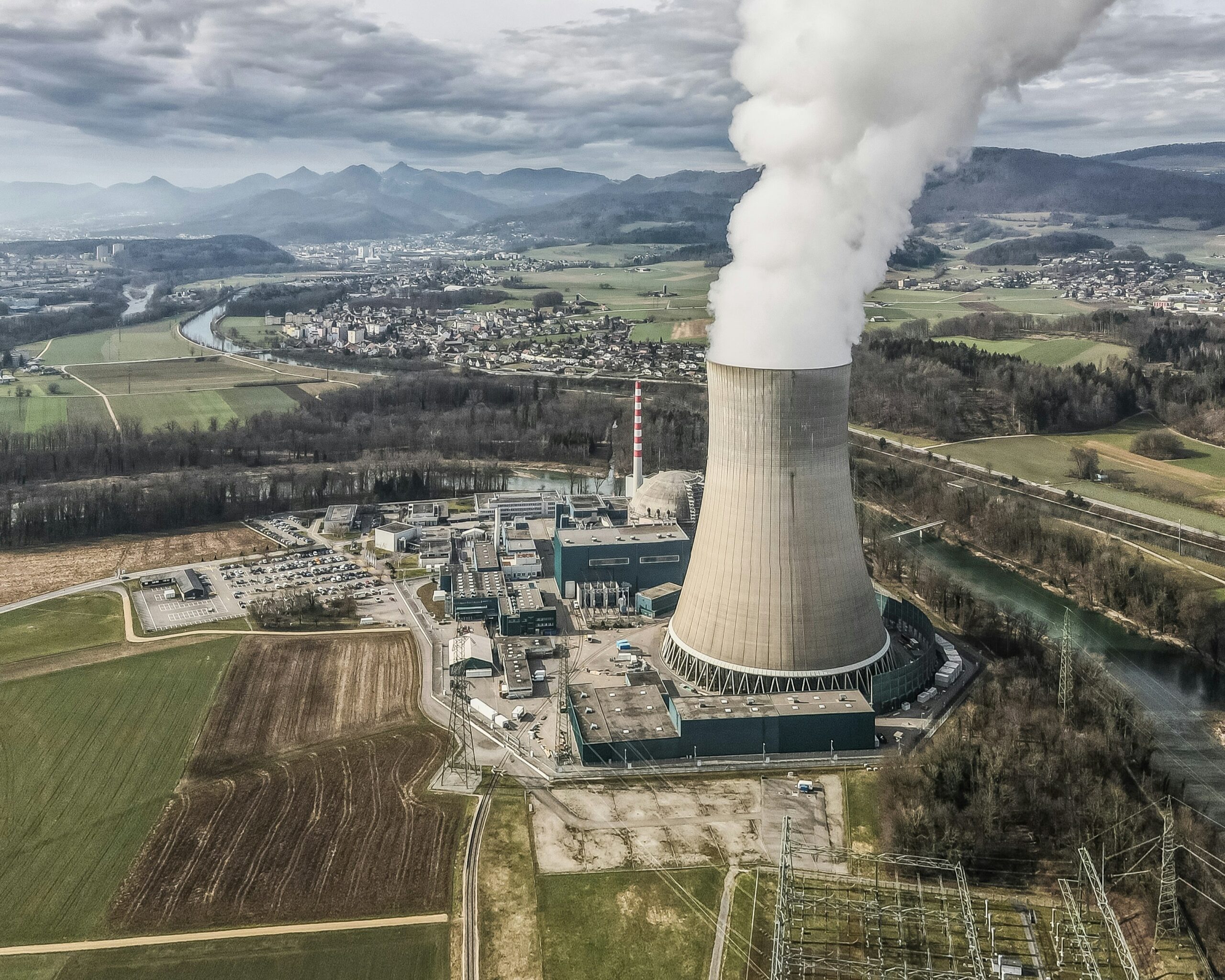
Newsletter: CBAM, data center coolants, and chemical insights

In the May 2026 edition, we explore how carbon regulation, particularly the EU’s CBAM, is reshaping cost structures and accelerating the shift toward low‑carbon supply chains in the chemical industry. At the same time, rising demand from high‑growth sectors like AI infrastructure is creating new challenges and opportunities, while strategic investments, targeted acquisitions, and capacity […]

Article Icon Article

CBAM puts a new price tag on emissions

On April 7, 2026, the European Commission announced the first official Carbon Border Adjustment Mechanism (CBAM) certificate price for Q1 2026 at €75.36 per tonne of CO2 equivalent (~$88/t CO2e), marking the EU’s first explicit carbon price applied to imported goods. This rate will be applied to the embedded emissions in CBAM-covered imports and is […]

Article Icon Article

Cooling fluids are becoming a constraint in AI data centers

Immersion cooling fluids are taking on more importance as data‑center operators deploy higher‑power artificial intelligence (AI) and high-performance computing (HPC) systems. Rack densities are increasing faster than traditional air systems can accommodate, and liquid cooling is now part of the design discussion for many new builds and retrofits. In that context, fluid properties affect reliability, […]

Premium content Icon Premium content

Implications of UAE’s exit from OPEC

Part of ADI Analytics’ ongoing coverage of the implications of the Iran conflict across oil & gas, LNG, refined products, and chemicals. The UAE’s exit from OPEC (see our prior blog) in late April 2026 reflects a decisive shift toward a volume‑driven strategy focused on monetizing its hydrocarbon resource base ahead of the global energy […]

Article Icon Article

Why did the UAE leave OPEC?

Part of ADI Analytics’ ongoing coverage of the implications of the Iran conflict across oil & gas, LNG, refined products, and chemicals. On April 28, 2026, the United Arab Emirates (UAE) announced it was quitting the Organization of the Petroleum Exporting Countries (OPEC), the producer group created in 1960 to coordinate and unify petroleum supply […]

News Icon News

Newsletter: Why oil may fall back to the $60s by end‑2026

In the May 2026 edition, ADI examines why oil prices, lifted by Iran-related risks, are expected to ease back into the sixty-dollar range as fundamentals reassert, while helium markets tighten amid Middle East disruptions and Russian export limits. At the same time, SLB’s acquisition of S&P Global’s upstream software highlights accelerating digital momentum, as rising […]

Videos Icon Videos

UAE exits OPEC for production growth

The UAE’s decision to leave OPEC represents a massive shift in global energy dynamics. In this brief update, Uday Turaga, CEO of ADI Analytics, breaks down why Abu Dhabi is choosing to break away from production caps to monetize its low-cost reserves and fund its economic future. Key highlights Watch the full video below to […]

SAF Tracker Icon SAF Tracker

2026 April SAF Tracker highlights – #84

Recent developments highlight growing momentum in SAF and low-carbon fuels, with LATAM Cargo and Quick Cargo integrating SAF on Frankfurt–São Paulo routes, and Boeing and Norsk e-Fuel advancing eSAF production in Europe. Project activity continues with Eni’s biogenic feedstock facility in Sicily and HUI’s waste supply partnership in Saudi Arabia, while policy support strengthens as […]

Article Icon Article

Modular is becoming mainstream

Venture Global’s LNG projects have drawn attention for how quickly they have moved from construction to first production. A highly modular, repeatable design approach has allowed those projects to come online faster than many traditional, bespoke developments. Across energy and industrial markets, project conditions have become more challenging. Project costs are rising and timelines are […]

Videos Icon Videos

Oilfield service giants pivot to recurring software revenue

SLB’s recent acquisition of S&P Global’s upstream software portfolio (including Kingdom and Petra) signals a major strategic shift across the sector. In this brief update, Uday Turaga, CEO of ADI Analytics, breaks down how oilfield service majors are aggressively chasing recurring digital revenue and why a global exploration rebound is making these tools more valuable […]

Article Icon Article

How are digital and software companies growing in oil & gas?

SLB this week agreed to acquire S&P Global Energy’s upstream software portfolio, aiming to bring software-like economics to OFSE companies. The acquisition includes the widely used Kingdom, Petra, and Harmony geoscience and petroleum engineering tools, mainly used for U.S. onshore workflows. SLB sees this as an expansion of its digital platform with essential tools to […]