
Outdated electric transmission networks are failing to keep pace with accelerating electrification, renewable integration, and surging data center demand.
Transmission operators face severe permitting delays, interregional coordination bottlenecks, and rising competition from non-wires alternatives. Meanwhile, policy incentives and federal funding require rapid capital deployment. ADI helps clients navigate complex regional market rules, evaluate advanced grid technologies, and execute high-impact transmission builds.
What keeps transmission leaders up at night
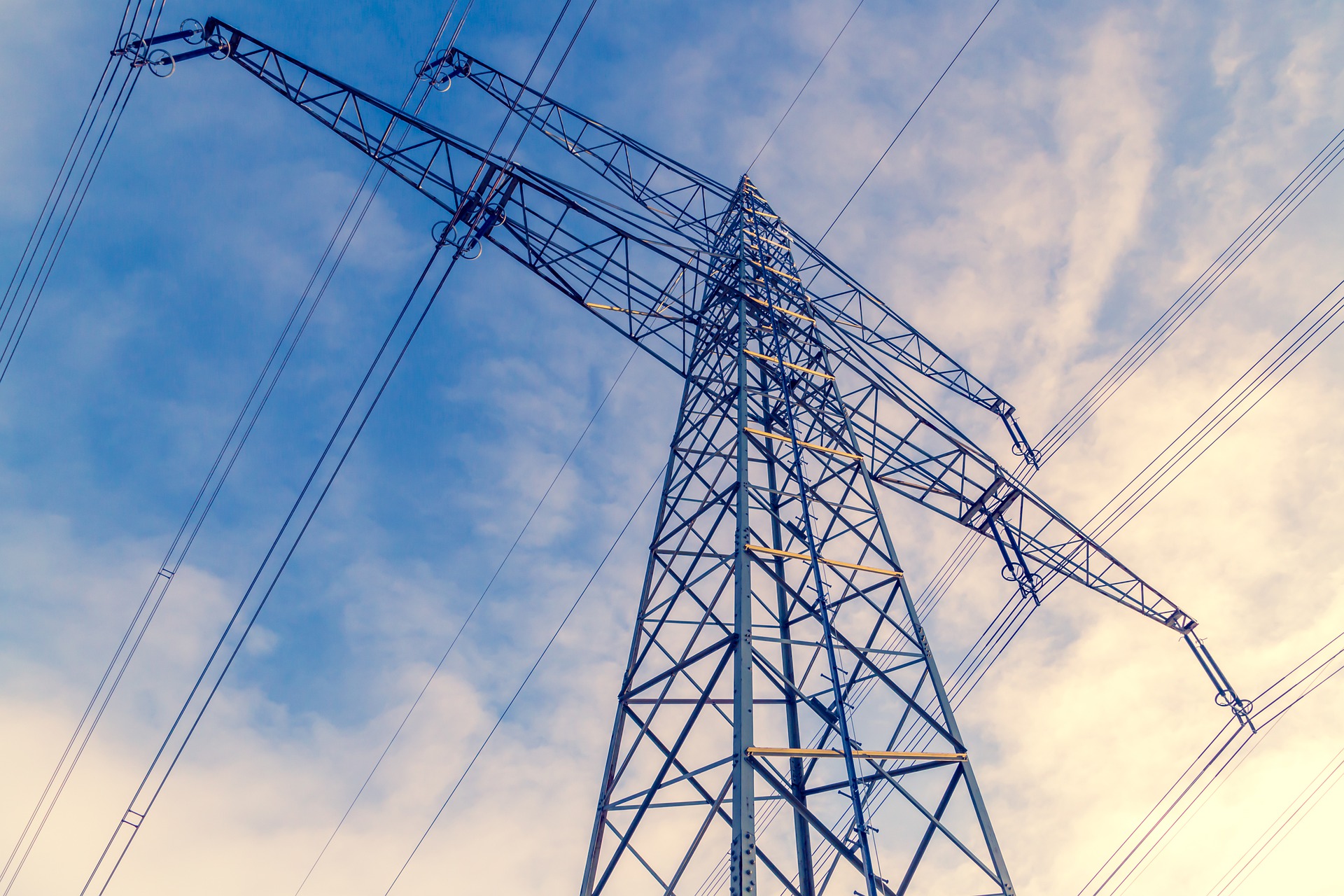
Aging grid infrastructure lacks the capacity to support massive load growth from data centers, EV fleets, and industrial electrification. Severe permitting delays and interregional planning hurdles slow high-voltage line developments, while non-wires options like battery storage challenge traditional capital investments.
Federal incentives under the Inflation Reduction Act and Bipartisan Infrastructure Law urged rapid project expansion, yet navigating complex federal energy regulatory commission (FERC), regional transmission organization (RTO), and independent system operator (ISO) rule changes create regulatory uncertainty.
Without effective strategies to streamline interconnection approvals and adopt advanced technologies like high-voltage direct current (HVDC), transmission developers risk stranded capital, elevated congestion costs, and critical reliability failures across regional power grids.
Who we are
Power transmission advisory, built on 15+ years and 1,000+ projects. Our work supports developers, utilities, OEMs, and investors across North American transmission planning, grid modernization, and capital equipment markets.
What clients engage us to do
Forecast transmission capacity and market demand
ADI’s engagements cover transmission capacity modeling, grid congestion analysis, and load growth projections driven by data centers and electrification. We deliver scenario planning for seamless renewable integration and power market stability.
Evaluate asset strategies and interconnection pathways
Our work includes assessing interconnection and permitting frameworks, siting and route planning, and financial modeling. We provide rigorous comparative analyses between traditional overhead and underground transmission options.
Assess advanced grid technologies and policy developments
We evaluate high-voltage direct current systems, grid-forming inverters, and dynamic line rating applications. Our team models the impacts of evolving FERC, RTO, and ISO regulations alongside non-wires alternatives.
Provide investment support and commercial due diligence
Advisory services span market screening, asset benchmarking, and valuation modeling for acquisitions, joint ventures, and new builds. We clarify equipment market demand across asset classes to guide strategic growth.
Formulate grid modernization and transition strategies
We develop tailored grid modernization roadmaps while evaluating risk factors tied to community opposition and permitting. Strategies focus on enhancing long-term system flexibility, reliability, and decarbonization.
Trusted by POWER & Utility companies around the world




For organizations seeking rapid access to market intelligence, ADI’s utility and power sector study helps clients understand investment cycles, capacity additions, and demand growth driven by electrification and data centers.
More industry expertise


Related insights

 Videos
Data center power & ERCOT trends
As the energy and data center landscapes evolve, identifying true growth opportunities requires moving past headline hype and into practical execution. In this brief update, Uday Turaga, CEO of ADI Analytics, shares critical insights from ADI’s project tracking database, breaks down power price dynamics in ERCOT, and previews an upcoming industry summit addressing the full […]
 Multi-client studies
Record utility spending meets project reality
U.S. utilities are entering the largest capital deployment cycle in their history, with total spending projected to reach roughly $1.4 trillion through 2030 and annual capex growing at double-digit rates. The single biggest driver behind this surge is the rapid growth in AI and data centers. Hyperscale facilities are significantly increasing load demand, often on […]

 ADI Forum
Oil & gas, energy transition, and chemicals in 2026
At the 2026 ADI Forum, Uday Turaga, CEO of ADI, provided a cross-segment outlook on the energy and chemical value chains. He highlighted the firm’s focus on the strategic interfaces between upstream production, global gas markets, and power generation, emphasizing how infrastructure and geopolitical shifts are reshaping global commodity flows. Key themes included a shift […]

Sign up for our newsletter
Don’t worry – we never share or sell your information.