
Striking gold in critical minerals
Critical minerals are pivotal to clean energy, mobility, electronics, and defense technologies, but their supply chains are increasingly exposed to geopolitical, environmental, and economic risks. Navigating this complex landscape requires a sharp strategic edge.
ADI Analytics helps clients mine global critical minerals markets for opportunities, evaluate robust sourcing strategies, and support key investment decisions across the entire value chain, from extraction and processing to downstream applications.
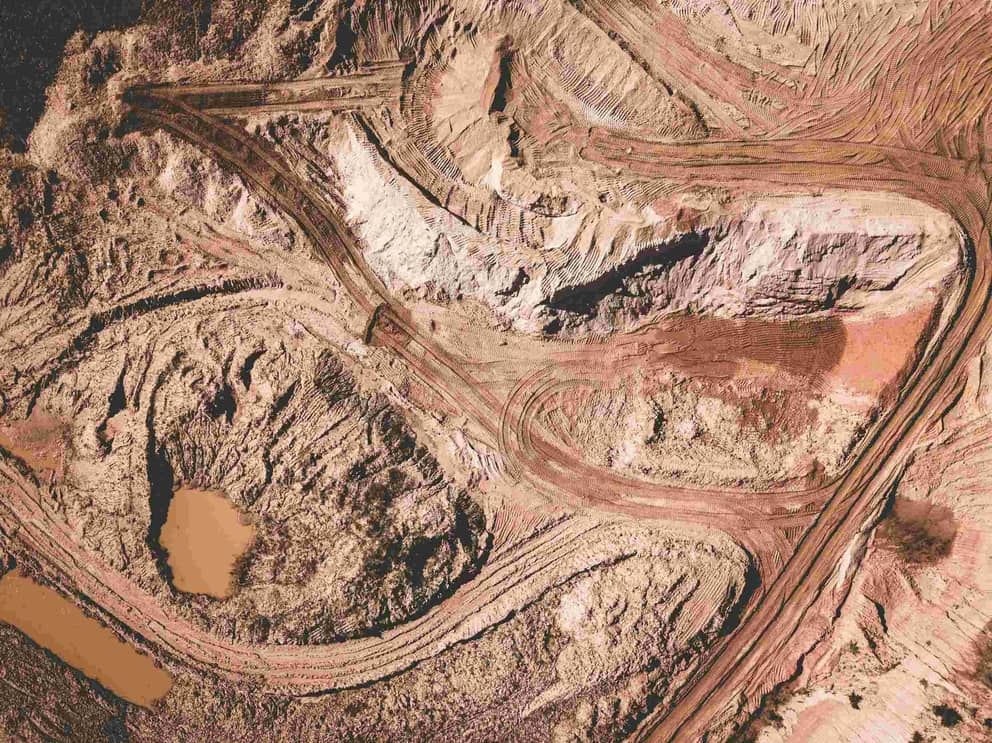
The demand for critical minerals is surging
The energy transition and electrification of transportation, manufacturing, and infrastructure are rapidly increasing global demand for critical minerals. Materials like lithium, cobalt, nickel, graphite, manganese, copper, and rare earth elements (REEs) power clean technologies including electric vehicle batteries, grid storage, wind turbines, and solar panels. Demand is also rising due to national security concerns and industrial policy incentives, prompting governments and companies to reshore supply chains and diversify resource access.
Supply chains face significant challenges
However, critical mineral supply chains remain highly concentrated and vulnerable to geopolitical disruptions, environmental scrutiny, and regulatory pressure. Most production is in a limited number of countries, leading to price volatility and resource insecurity. Additionally, many Western economies lack midstream processing infrastructure, hindering the creation of resilient and transparent supply chains.
New technologies are reshaping the landscape
Despite increased investment in mining and refining, long permitting timelines, ESG requirements, and technical risk continue to limit new supply. Simultaneously, emerging technologies such as advanced recycling, direct lithium extraction, and substitution strategies are beginning to reshape cost curves and long-term demand.
Strategic insight is crucial for navigating critical minerals
To respond effectively, governments, OEMs, miners, and investors must develop a clear view of critical mineral markets. This includes tracking price trends, regulatory shifts, emerging technologies, and sourcing risks that influence decisions across the global value chain.
How ADI helps
ADI Analytics supports stakeholders across the global critical minerals value chain. We help clients make informed decisions at every stage of strategy, investment, and policy planning:
- Market intelligence & forecasting including supply-demand modeling, cost and margin benchmarking, pricing outlooks, trade flow analysis, and regional resource mapping.
- Project evaluation & sourcing strategy covering feasibility studies, capital and operating cost analysis, scenario modeling, risk assessments, and end-to-end evaluation of mining, refining, and recycling projects.
- Technology assessment & innovation analysis involving review of extraction and processing technologies, evaluation of technology readiness, benchmarking of ESG performance, and analysis of circular economy and substitution impacts.
- Policy analysis & regulatory support including evaluation of industrial policies, incentives, permitting frameworks, and geopolitical risks to inform market entry and expansion decisions.
- Transaction support & investment diligence such as target screening, valuation modeling, commercial and technical due diligence, and preparation of independent market assessments for investors.
Trusted by industrial companies around the world


Related insights

 Premium content
Catching up to China on critical minerals
The U.S. government is spending real money on critical minerals right now. On August 7, 2026, the Department of Energy launched a $100 million program to train more mining engineers. It’s one of several moves happening at the same time, alongside price guarantees, tariffs, and new sourcing rules. None of it changes the basic picture: […]
 Article
Engineered pumps are riding four industrial megatrends
The engineered pump industry is seeing growing demand from AI infrastructure, LNG expansion, critical minerals development, and industrial modernization. At the same time, aftermarket services and digital monitoring are becoming larger contributors to industry profit pools. These trends are changing industry growth drivers and profit pools (see Exhibit 1). Exhibit 1. Growth drivers in the […]
 Article
Navigating critical minerals supply bottlenecks
Demand for critical minerals has been accelerating rapidly over the past few years, driven by escalating growth in electric vehicles, renewable energy, defense, and advanced technologies. However, while demand continues to expand, the supply chain remains heavily concentrated in China, which dominates up to 90% of mining, refining, and processing. This imbalance has amplified geopolitical […]

Sign up for our newsletter
Don’t worry – we never share or sell your information.