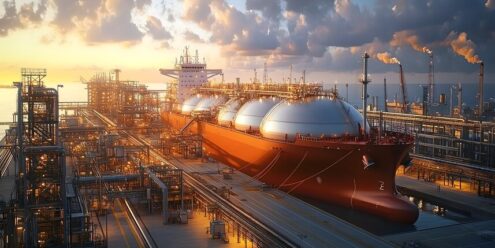
We at ADI Analytics do not usually write something for Thanksgiving but 2026 was a hard year for oil, gas, power and chemicals, so we felt it was worth counting our blessings (see Exhibit 1).
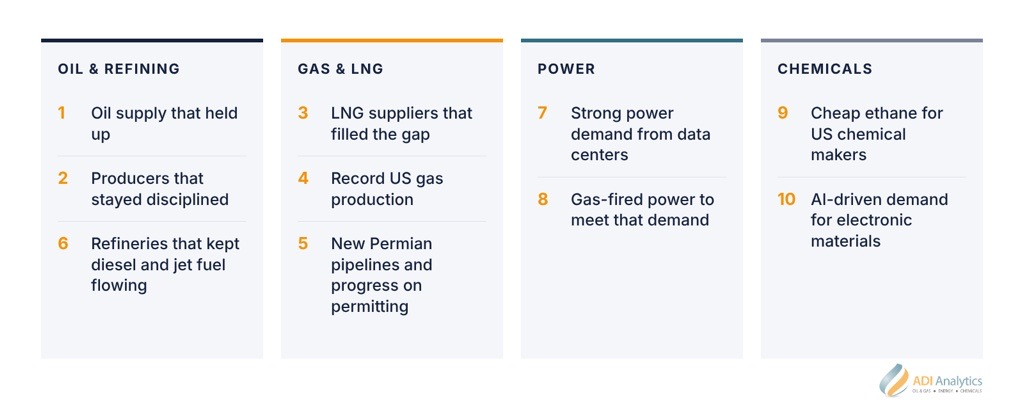
Exhibit 1: Ten developments energy and chemicals can be thankful for in 2026, by sector.
1. Oil supply that held up. Early in the year, many traders, consultants, and oil executives warned of lasting shortages and $150 oil. Neither happened. Middle East crude shut-ins peaked near 10.9 million b/d in May and fell to about 2.5 million b/d by October, as other producers kept markets supplied. In August, we wrote that the lasting impacts of the conflict would be narrower than expected. Our aim is to give clients facts they can plan around, not to add to the alarm.
2. Producers that stayed disciplined. Upstream E&P companies kept drilling budgets in check even with oil above $80 per barrel for much of the year, as we noted earlier. They paid down debt and returned cash to shareholders. Our long-term oil demand outlook shows demand growing through 2050, and that rewards steady investment over short bursts of drilling. The full outlook is available to ADI Plus subscribers.
3. LNG suppliers that filled the gap. As we explained in March, the Iran conflict hit LNG harder than oil. Closing the Strait of Hormuz cut about one-fifth of global LNG supply. New supply from North America and Africa, more pipeline gas and lower demand covered about two-thirds of the loss. US LNG exports rose above 20 Bcf/d. Our LNG demand outlook looks at what comes next.
4. Record US gas production. US onshore gas output averaged about 114 Bcf/d. That was enough to supply LNG exports, power plants and industry at the same time.
5. New Permian pipelines and progress on permitting. New pipelines out of the Permian ended the deep discounts producers took on their gas in the first half of the year. Pipelines remain the main limit on US gas growth. The Senate has passed the Bipartisan American Affordability and Jobs Act of 2026. The bill would make it harder for a single state to block an interstate gas pipeline. We looked at its prospects in our post on the midterm elections.
6. Refineries that kept diesel and jet fuel flowing. Tight global refining capacity pushed diesel and jet fuel margins to multi-year highs. US refineries ran at 97% of capacity in the third quarter. After years of refinery closures, the shortages reminded policymakers and investors how much the economy depends on refining.
7. Strong power demand from data centers. This year, utilities moved data center load into firm capital plans. Much remains uncertain. Texas will not finish separating firm loads from speculative requests until late March 2027, and voters are pushing back. Our U.S. data center projects database tracks which projects are moving ahead.
8. Gas-fired power to meet that demand. Gas-fired power plants became the main source of round-the-clock electricity for data centers. Orders for gas turbines now stretch to 2030, so the hard part is building plants on time and on budget. Our multi-client study on utility capital project excellence benchmarks cost and schedule performance.
9. Cheap ethane for US chemical makers. US producers make ethylene mostly from ethane, which stayed cheap because natural gas was cheap. Most producers in Europe and Asia use naphtha, whose price follows oil. That cost gap kept US margins healthy in a year of global overcapacity.
10. AI-driven demand for electronic materials. Growth in AI chips raised demand for high-purity chemicals and materials used in memory chips. Several specialty chemical companies raised their earnings guidance as a result.
Not every sector gained. Low gas prices hurt gas producers, and European chemical makers still have too much capacity. Water is one of the open questions for 2027 and the focus of our multi-client study on water. We will discuss these issues at the 10th ADI Forum in Houston on January 28, 2027.
Happy Thanksgiving from all of us at ADI Analytics.
About ADI Analytics
ADI is a prestigious, boutique consulting firm specializing in oil and gas, energy, and chemicals since 2009. We bring deep expertise in a broad range of markets where we support Fortune 500, mid-sized and early-stage companies, and investors with consulting services, research reports, and data and analytics, with the goal of delivering actionable outcomes to help our clients achieve tangible results.
We also host the ADI Forum that brings c-suite executives together for meaningful dialogue and strategic insights across the oil & gas, energy transition, and chemicals value chains. Learn more about the ADI Forum.
Subscribe to our newsletter or contact us to learn more.