 Article
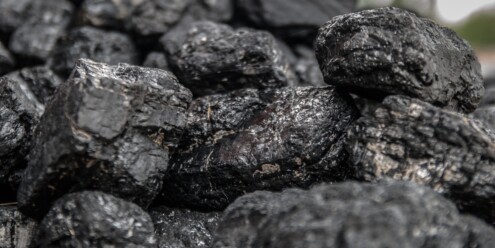
Can U.S. coal survive in the ESG era?
Amid the global shift away from coal-fired power, the coal industry is attempting to find its place in a new ESG-focused world.
 Article
Amid the global shift away from coal-fired power, the coal industry is attempting to find its place in a new ESG-focused world.
 Article
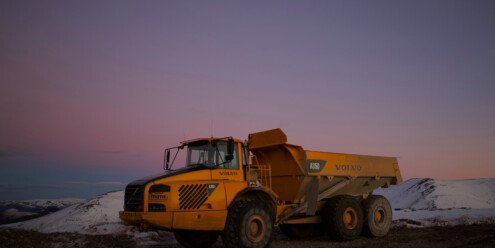
Faced with COVID-19 challenges, mining operators in the preceding year focused on resilience, investor confidence, ESG, and capital/operational discipline. These priorities, alongside complexities identified in 2021, remain pertinent for the industry in 2022.
 Article
ADI Chemical Market Resources launches “Chemical Shorts” podcast hosted by Jacqueline Unzueta. The first episode features analysts discussing mining chemicals, demand drivers, and alternatives.

 News
News
In the December 2021 edition of the ADI newsletter, we examined key developments in energy infrastructure, resource flows, and transition-critical materials. We took a closer look at the future of pipeline infrastructure in the Permian Basin as oil prices rebound and capital spending gradually returned. In the Bakken, midstream constraints were driving persistent flaring issues, […]
 Article
Silver’s main domestic use in 2020 was electrical and electronics (28%), surpassing jewelry and silverware (26%). Its industrial applications, including pharmaceuticals and solar cells, are driven by its superior conductivity and resistance properties.
 Article
Primarily used for aluminum (90%), alumina also finds applications in abrasives, refractories, glass, and ceramics. Extracted from bauxite via the Bayer process, which yields alumina as a white powder, a significant challenge is the environmentally hazardous alkaline by-product, red mud.
 Article
The mining industry, historically hesitant to adopt new technologies due to operational scale, complexity, and cost, is now experiencing increased integration of digital technologies and innovations.
 Article
Lithium mining, particularly in Argentina and Chile’s salt flats, faces scrutiny due to its water-intensive nature and potential link to increased droughts, raising environmental sustainability concerns. 1 To mitigate “dirty” lithium mining, electric vehicle battery manufacturers need to explore “clean” alternative sourcing methods.
 Article
Concerns over potential supply shortages and price volatility, stemming from China’s significant control over rare earth metal exports (80% in 2019) and historical instances of export restrictions, are prompting governments and private entities to pursue new projects and diversify sourcing to reduce reliance on China. 1
 Article
Nickel is a critical mineral with ~70% of current demand being dominated by stainless steel followed by 25% for manufacture of alloys, special steels, and coatings, and 5% for electric batteries. While demand from stainless steel and alloys will likely remain robust in the medium-term, significant demand growth is expected to arise from nickel’s application […]
 Article
The projected surge in clean energy technologies (EVs, batteries, energy storage, and clean power) over the next decade will dramatically increase demand for critical minerals like copper, nickel, cobalt, lithium, manganese, graphite, and REEs, making their adequate supply crucial. The application and demand growth for these minerals will vary across technologies.
 Article
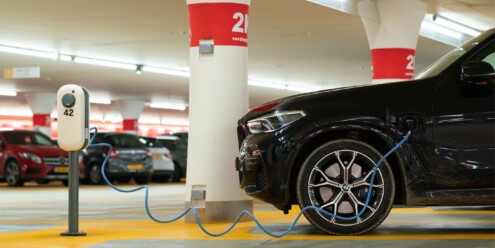
Manganese is mainly used in steel production, but its use in EV batteries, especially in cobalt-free designs like LMO (61% cathode) and NMC (20-30% cathode), presents a growth opportunity.