U.S. power sector CO₂ emissions rose 4% in 2025 based on the latest findings from the U.S. Energy Information Administration (EIA). This increase was driven by a 3% increase in net electric power generation, including a substantial 13% increase in coal-fired generation.
More importantly, this increase points to a growing challenge facing the U.S. power sector. Electricity demand is rising rapidly, fueled by data center development, manufacturing expansion, electrification, and increasingly extreme weather patterns. That 3% increase in generation was enough to set a new annual record in 2025, with the EIA specifically highlighting data centers and manufacturing facilities as key drivers of growth.
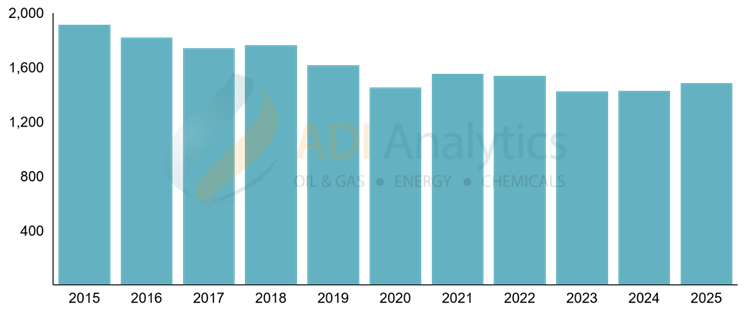
Exhibit 1: U.S. power sector CO2 emissions (Million metric tons). (Source: EIA, ADI Analytics)
Demand is outpacing delivery
Across the country, utilities are investing billions of dollars in new generation, transmission infrastructure, storage assets, and grid modernization programs to accommodate rising demand and maintain reliability. Yet demand is growing faster than those investments can be converted into operating assets.
The result is a growing gap between the need for new capacity and the pace at which that capacity can be delivered. While renewable generation continued to grow in 2025, it was not enough to keep pace with rising electricity demand on its own. Utilities therefore relied more heavily on existing coal-fired generation to help maintain reliable service. The increase in coal generation reflects the growing challenge utilities face in bringing new capacity online quickly enough to keep pace with demand.
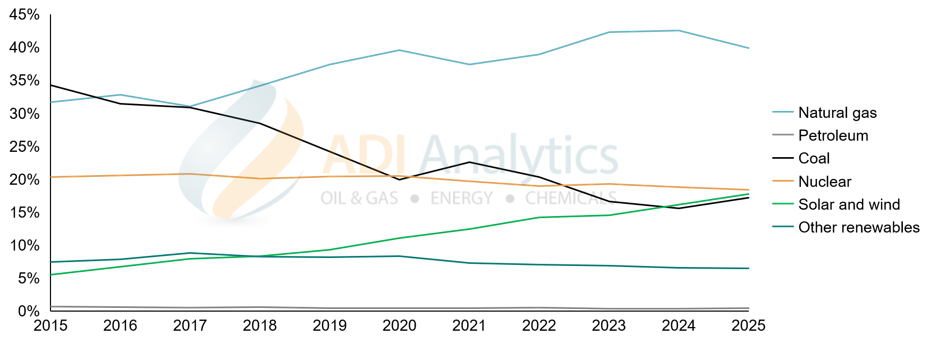
Exhibit 2: Share of U.S. power sector electricity generation by source. (Source: EIA, ADI Analytics)
Delivery needs to be faster
Meeting future demand will require more than identifying the right portfolio of generation and grid investments. Utilities must be able to develop and deliver those projects quickly enough to keep pace with rising demand.
For years, utilities have focused on long-term resource planning. Increasingly, however, success may depend on execution. Utilities that can shorten development cycles, streamline project delivery, and accelerate construction will be better positioned to meet growing demand while reducing reliance on legacy generation assets.
This article is the first in a series examining various factors impacting the U.S. power sector and the implications for project development. To learn more about how utilities are addressing these challenges, download the prospectus for our new multi-client study on utility capital project delivery.
— Piercen Hoekstra