Surface production and gathering facilities—covering the span from the wellhead through separation, water handling, low‑pressure gathering, compression, and dehydration—are undergoing clear changes in facility design and purchasing decisions. Operators and suppliers are responding to persistent constraints such as higher fluid volumes and variability at the pad, produced‑water handling limits, tighter methane and VOC requirements, limited grid capacity in key basins, and long lead times for critical components. The outcome is a steady shift toward standardized, modular, and increasingly leased facility infrastructure, with more automation embedded at the equipment level. We summarize key findings from several projects ADI Analytics has conducted for E&P operators, oilfield service and equipment companies, and other industrial equipment suppliers below.

Exhibit 1: Key findings on the evolution of surface facilities in North American shale.
1. Centralized pad development is pushing separation and gas capture toward larger, integrated systems
ADI has been studying gathering and production facilities for over a decade. In the mid‑2010s, our mapping of production facilities consistently found a common backbone of unit operations—well fluids collection, phase separation, water separation, low‑pressure gathering, compression, and dehydration—across most facilities between the wellhead and the gas plant (See exhibit 2). What has changed is the scale and level of integration expected at the pad as operators consolidate production from more wells into centralized facilities. For operators such as Matador Resources, this shift toward centralized development is explicitly linked to greater deployment of vapor recovery units to capture low‑pressure gas that would otherwise be flared.
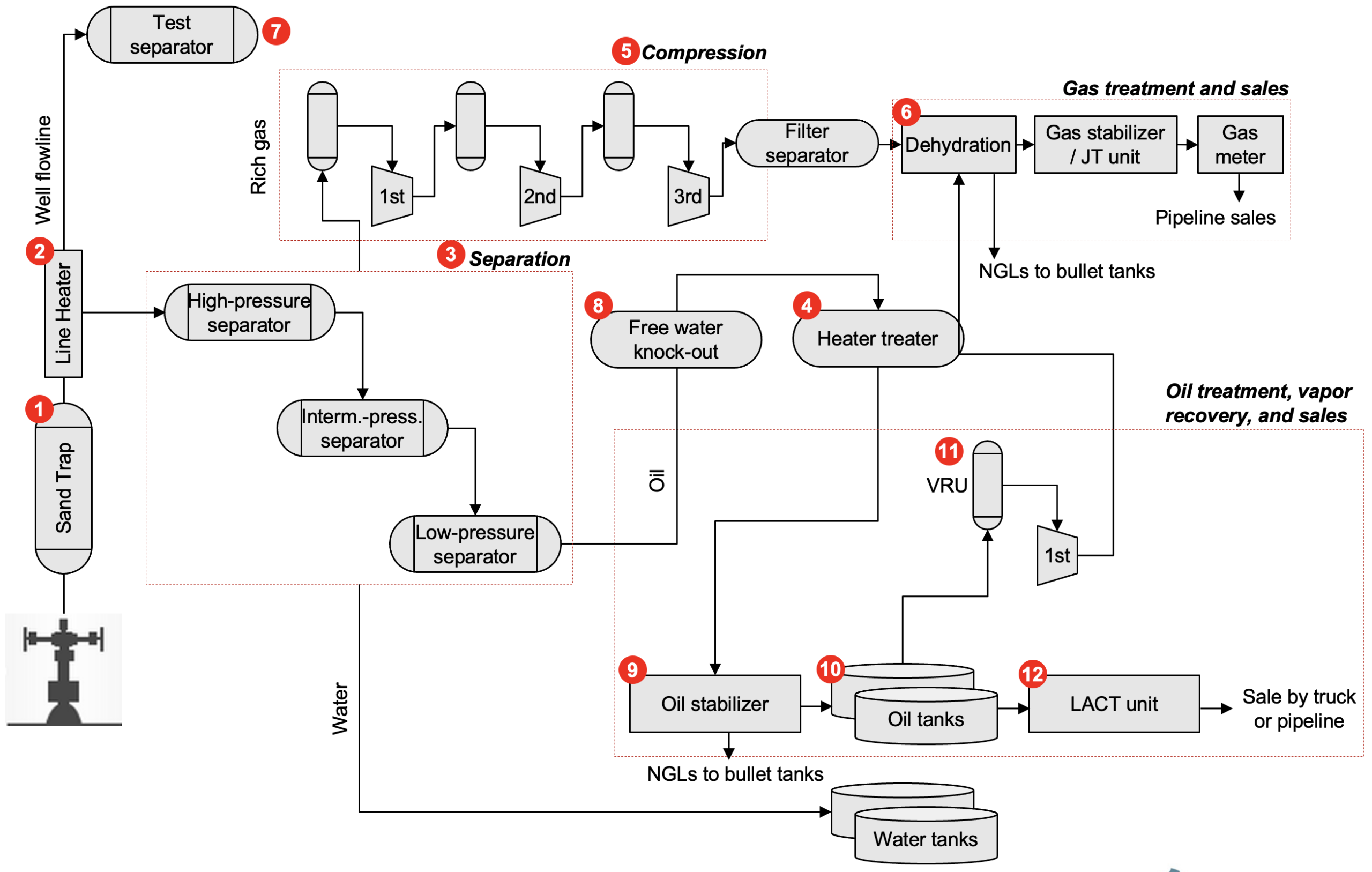
Exhibit 2: Overview of production facilities.
This centralization is also evident in compression. Natural Gas Services Group has tied customer “economic moves” toward centralized drilling and production facilities to increased demand for larger horsepower packages, ranging from several hundred to a few thousand horsepower. On the separation side, interviews with E&P independents continue to treat the three‑phase separator as the core piece of equipment for directing oil, gas, and brine to their respective handling systems, with designs increasingly configured for high‑volume, multi‑phase streams.
2. Modular and skid‑mounted architecture has become the default approach to facility deployment
Across ADI’s research, schedule compression and field labor constraints have long driven standard designs and packaged equipment. Forum Energy Technologies describes engineered process systems that use skidded vessels with measurement and modular process plants, along with header and manifold skids that arrive ready for wellsite installation. DNOW similarly links standardized, modular wellsite solutions such as tank batteries to faster completion timelines and earlier flow to pipeline.
This modularization extends beyond separators and tanks into conditioning equipment used when midstream buildout lags drilling. Ranger Energy Services describes modular mechanical refrigeration units deployed to process rich gas in basins where development has outpaced permanent infrastructure. Enterprise Group frames skid‑mounted “combo equipment” as a way to reduce transportation costs and on‑site labor activation and deactivation, particularly in remote locations.
3. Leasing models are expanding from compression into broader wellsite infrastructure
Leasing and standardization have historically appeared most strongly in compression, reflecting operators’ need for flexibility as production volumes shift and wells decline. That same logic is now visible across a broader set of wellsite assets. Natural Gas Services Group characterizes compression assets as “sticky” due to material switching costs once installed, which helps explain why rental models often persist beyond initial lease terms.
Beyond compression, Total Energy Services describes renting large fleets of surface equipment that include tanks, containment, and separators. Leasing is also showing up in off‑grid gas logistics. Stabilis Solutions describes “virtual pipeline” offerings that rent small‑scale cryogenic transportation, storage, and vaporization equipment on day‑rate or monthly models, allowing natural gas logistics to operate without permanent pipeline connections.
4. Produced‑water constraints and methane/VOC rules are now direct design inputs
ADI’s work has long treated water as a connected value chain with distinct segments—sourcing, transfer, storage, treatment, hauling, and disposal. Recent developments make water constraints a primary driver of surface facility configuration in mature basins, particularly where disposal capacity is limited or regulated. Expert interviews in the shale patch describe Permian produced‑water volumes reaching several barrels of water per barrel of oil in some cases, alongside tighter disposal constraints linked to induced seismicity and regulatory actions in Texas and New Mexico.
This has increased emphasis on treatment and reuse workflows closer to operations. Select Water Solutions and Tetra Tech are managing large water volumes through clarification and residual oil separation, while Tetra Technologies has described automated treatment and mobile oil‑separation approaches that recover residual oil from produced water at the pad.
In parallel, methane and VOC rules continue to shape the operating envelope for surface equipment. While federal requirements have shifted over time, operators continue to invest in capabilities across compressors, storage vessels, pneumatic controllers, heaters, dehydrators, and produced‑water units. In ADI’s facility work, dehydration and storage remain emission‑sensitive nodes, with ongoing movement toward configurations that reduce vent points and improve control and capture at the pad.
5. Power constraints, digital optimization, and supply‑chain lead times are converging
Grid availability is explicitly shaping facility strategy in key basins. A large share of Permian wells are coming online off‑grid, effectively framing the basin as an off‑grid project. Liberty Energy describes deploying modular natural gas generators to supply localized power, while ADI’s field interviews point to behind‑the‑meter microgrids powered by natural gas engines or turbines. Trican is transitioning fleets toward hybrid and electric units where feasible, reflecting similar electrification pressures.
Digital optimization is being used to increase utilization of existing assets across production and water systems. NGL Energy Partners has described deploying AI in water management to improve utilization and reduce the need for additional buildout. Automation is also extending into production operations, with operators exploring its use in lift management and workover optimization.
At the same time, long lead times for key components are shaping procurement and standardization decisions. Procurement teams describe major backlogs for engines and transmissions, while Baker Hughes has initiated mitigation actions tied to domestic sourcing and USMCA provisions for parts from Canada and Mexico. Control‑system access has also become a practical consideration in modular deployments, with Spire Midstream describing concerns about owners being locked out of PLC logic in skid‑packaged solutions.
Taken together, these shifts point to surface production and gathering facilities becoming an important driver of operational and economic optimization. As drilling efficiency gains plateau, more of the performance envelope is now determined by how effectively fluids are separated, conditioned, powered, monitored, and moved under variable conditions at the pad.
– Uday Turaga
About ADI Analytics
ADI is a prestigious, boutique consulting firm specializing in oil and gas, energy, and chemicals since 2009. We bring deep expertise in a broad range of markets where we support Fortune 500, mid-sized and early-stage companies, and investors with consulting services, research reports, and data and analytics, with the goal of delivering actionable outcomes to help our clients achieve tangible results.
We also host the ADI Forum that brings c-suite executives together for meaningful dialogue and strategic insights across the oil & gas, energy transition, and chemicals value chains. Learn more about the ADI Forum.
Subscribe to our newsletter or contact us to learn more.