
Methanol and ammonia are vital for global chemical production and are rapidly emerging as key players in the low-carbon energy transition. As cornerstones for products like formaldehyde and fertilizers, these chemicals are essential to global industry. Increasingly, methanol is gaining traction as a marine fuel, while ammonia is positioned as a zero-carbon fuel for power generation and hydrogen transport. However, producers and technology providers must navigate market volatility, regulatory scrutiny, and infrastructure limitations to succeed.
ADI Analytics supports stakeholders across the value chain with expert market research, cost analysis, and strategic insights to help them seize opportunities and solve complex challenges in these evolving markets.

Navigating evolving supply chains for low-carbon methanol and ammonia
Producers face significant hurdles, including natural gas price volatility and the need for new technology selection. Simultaneously, customers are navigating changing supply chains to meet decarbonization goals amidst shifting policy support for low-carbon pathways.
Advancing technology and sustainability for methanol and ammonia
Technology providers must manage carbon intensity targets while driving innovations in green and blue production. Breakthroughs in carbon capture, electrolysis, and reforming are critical to maintaining cost-competitiveness in a shifting regulatory landscape.
Adapting to innovations in licensing and technology
Licensors and EPCs are driving breakthroughs in integrated production, including methanol-to-olefins (MTO) and methanol-to-gasoline (MTG). Success in this space requires managing complex feedstock economics while scaling technologies for clean ammonia and advanced carbon capture.
How ADI helps
ADI Analytics supports clients across the methanol and ammonia value chains. We provide market research and consulting services to help clients make informed decisions about strategy, investment, and operations:
- Market intelligence & forecasting including supply-demand modeling, cost and margin benchmarking, price outlooks, trade flow analysis, and regional capacity tracking.
- Project evaluation & investment support covering feasibility studies, site screening, economic modeling, competitor analysis, and project validation.
- Technology & sustainability assessment involving evaluation of production technologies, carbon intensity benchmarking, ESG analysis, and readiness of blue and green production pathways.
- Policy & infrastructure analysis including reviews of industrial incentives, hydrogen strategies, carbon pricing mechanisms, and transport and storage infrastructure.
- Commercial strategy & transaction support such as structuring offtake agreements, identifying investors and partners, and developing market studies for M&A, joint ventures, and financing.
Trusted by methanol and ammonia companies around the world


More industry expertise


Related insights

 Article
More alcohol for your flights: MTJ receives ASTM approval
In a significant milestone for aviation decarbonization, the methanol-to-jet (MTJ) pathway for sustainable aviation fuel (SAF) production received approval last month under ASTM D7566 Annex A5. Exhibit 1 below shows all the approved SAF production pathways. The approval also includes e-methanol produced via power-to-liquid (PtL) processes using renewable electricity and captured CO₂ as an eligible […]
 Article
Bulk liquid storage is shifting from capacity to capability
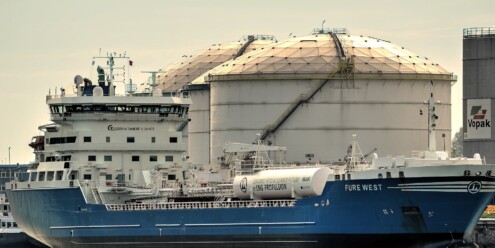
Liquid bulk storage operators are entering a more selective growth cycle. Demand remains resilient across fuels, chemicals, liquefied petroleum gas (LPG), natural gas liquids (NGLs), biofuels, ammonia, and methanol. Increasingly, value is shifting toward terminals that can handle a broader range of products, connect to major trade routes, and generate higher returns from existing assets. […]

 News
News
Newsletter: Ammonia shipping, R&D pressures & chemical insights
In the June 2026 edition of the ADI Chemicals Newsletter, we highlight how evolving regulatory frameworks and technology innovation are accelerating the transition to low‑carbon and high‑performance solutions across the chemical industry. The IMO’s approval of ammonia fuel safety guidelines and China’s tightening carbon accounting standards signal growing momentum behind decarbonization, while advances in battery […]

Sign up for our newsletter
Don’t worry – we never share or sell your information.