In a previous article, we discussed how rising electricity demand is forcing utilities to accelerate investments in generation, transmission, and distribution infrastructure. Data centers have become one of the largest drivers of that growth, leading utilities across the country to propose billions of dollars in new projects to maintain reliability and serve future load.
Most policymakers welcome the economic benefits of data center growth, but rising electricity prices and mounting infrastructure needs are shifting public and regulatory sentiment. As utilities pursue larger investment programs, regulators are increasingly focused on protecting consumers, maintaining reliability, and determining who should bear the costs and risks of supporting new load.
A changing regulatory landscape
Many states are already responding with regulatory action. Despite differing approaches, most policies address the same two questions: can the grid support rapid load growth, and who should bear the costs of the infrastructure needed to support it?
1. Grid readiness is becoming a growing concern
The growth of data centers and other large loads is increasing pressure on power grids across the U.S. In many regions, existing grid infrastructure is already struggling to keep pace with projected demand, forcing policymakers to confront difficult questions about reliability, infrastructure planning, and the cost of new investments.
New York has taken one of the more aggressive approaches, issuing a one-year moratorium on data centers over 50 MW while regulators evaluate grid impacts, water use, cost allocation, and other community considerations. The proposal underscores growing concerns about whether infrastructure development can keep pace with rising electricity demand.
2. Protecting ratepayers is taking priority
As utilities pursue billions of dollars in new investments to support data centers and other large loads, regulators are increasingly concerned about the impact on customer bills. Many policymakers are looking for ways to ensure that residential and small commercial customers don’t end up subsidizing investments driven by data center growth.
This debate is particularly active in Virginia, Georgia, Indiana, and Texas, where regulators and lawmakers are evaluating cost-allocation frameworks, large-load tariffs, and other mechanisms designed to assign infrastructure costs more directly to the customers driving demand growth.
Virginia provides one of the most prominent examples. Following recent legislative and regulatory reviews, the Virginia State Corporation Commission directed utilities to assign the full cost of transmission infrastructure built solely for data centers directly to those customers.
3. States are shifting more risk to data centers
Regulators are increasingly seeking assurances that projected data center demand will materialize before utilities invest billions of dollars in new infrastructure. Regulators are concerned that if a project is delayed, downsized, or canceled, other customers could be left paying for underutilized assets.
This issue is particularly prominent in Texas, Indiana, Virginia, and Georgia, where regulators and lawmakers are evaluating minimum-load commitments, financial guarantees, and other safeguards designed to reduce the risk of stranded investments.
Texas provides one of the most notable examples. Senate Bill 6 established new interconnection requirements for facilities over 75 MW, including upfront financial commitments designed to ensure large-load customers remain accountable if projected demand fails to materialize.
4. Utility spending is under the microscope
Regulators are also seeking greater visibility into how utilities plan, justify, and execute major capital projects. Policymakers are increasingly focused on ensuring that investments deliver the intended benefits and that utilities remain accountable for cost and schedule performance.
Pennsylvania’s recently enacted Grid Act reflects this trend. While the legislation aims to accelerate the development of new energy infrastructure, it also includes measures intended to strengthen oversight and accountability for future grid investments.
The direction of regulation is becoming increasingly clear. Regulators are raising the bar by shifting more costs and risks to data centers while holding utilities to a higher standard for planning, executing, and justifying major capital investments.
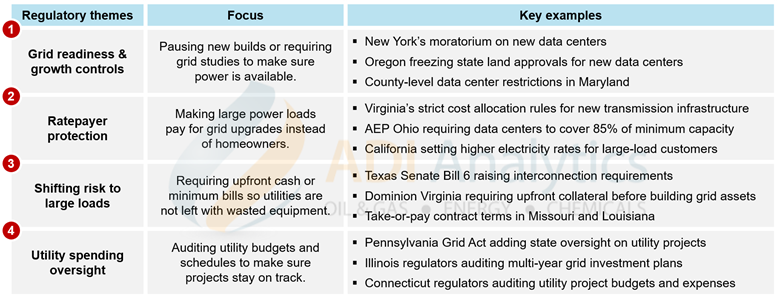
Exhibit 1: Key regulatory themes across the U.S. power sector.
What this means for project development
Many of the projects utilities are planning today are intended to support data centers and other large loads. As regulators place greater scrutiny on utility spending and require stronger commitments from large-load customers, utilities will need to build a clearer case for both the need for new infrastructure and the assumptions underpinning expected demand growth.
These shifts also raise the stakes for project execution. Delays, cost overruns, and unmet demand projections can increase regulatory scrutiny and complicate cost recovery, particularly when projects are linked to rising customer bills.
For utility project teams, the implications are straightforward. Projects that stay on budget, stay on schedule, and are supported by realistic demand forecasts will be better positioned to secure regulatory support and recover their costs. Strong project delivery can also help build credibility with regulators as scrutiny of utility investments continues to increase.
As the regulatory environment evolves, project execution is becoming more than an operational concern. It is increasingly a regulatory and financial imperative.
This article is part of a series examining the challenges shaping the U.S. power sector and their implications for project development. To learn more about how utilities are improving capital project delivery, download the prospectus for ADI Analytics’ multi-client study on capital project execution excellence.
— Piercen Hoekstra
About ADI Analytics
ADI is a prestigious, boutique consulting firm specializing in oil and gas, energy, and chemicals since 2009. We bring deep expertise in a broad range of markets where we support Fortune 500, mid-sized and early-stage companies, and investors with consulting services, research reports, and data and analytics, with the goal of delivering actionable outcomes to help our clients achieve tangible results.
We also host the ADI Forum that brings c-suite executives together for meaningful dialogue and strategic insights across the oil & gas, energy transition, and chemicals value chains. Learn more about the ADI Forum.
Subscribe to our newsletter or contact us to learn more.