Artificial lift has been a core production technology for decades. The next phase of growth is increasingly being driven by software, automation, analytics, and production optimization rather than hardware alone. Operators are managing larger well inventories, more mature shale assets, and growing pressure to reduce lease operating expense (LOE), improve uptime, and extend run life. As a result, technologies that improve surveillance, automate routine decisions, and optimize production are becoming increasingly important across rod lift, ESP, gas lift, and broader production operations.
1. Shale maturity is changing operator priorities
The shale industry’s focus has evolved from production growth toward production optimization. Earlier development cycles emphasized acreage capture, drilling activity, and production growth. Today, many operators are focused on recovery improvement, base-production management, reliability, and operating efficiency.
These priorities favor technologies that improve surveillance, identify problems earlier, reduce intervention frequency, and improve overall production economics. Artificial lift systems sit at the center of this transition because they directly influence production rates, downtime, operating costs, and field productivity. As operators increasingly focus on maximizing value from existing assets, adoption of optimization and automation technologies is accelerating.
As shown in Exhibit 1, this journey is playing out in four distinct waves. What started in early shale development as a scramble for equipment deployment has progressively shifted toward integrated, autonomous systems focused on optimization, predictive analytics, and AI.
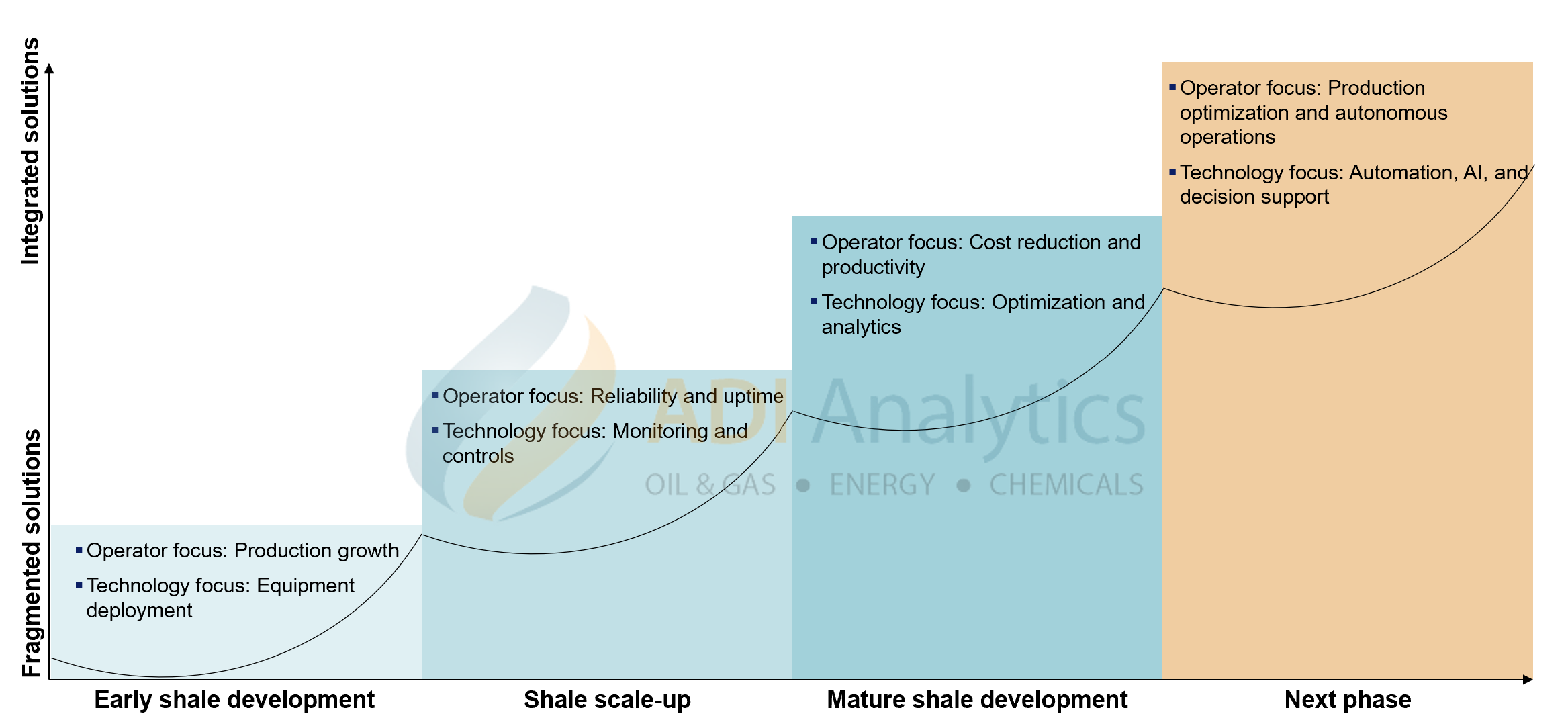
Exhibit 1: Evolution of artificial lift.
ADI insights on artificial lift
ADI has tracked artificial lift markets, technologies, and investment activity for more than a decade through market studies, growth strategy engagements, due diligence assignments, and industry research covering rod lift, gas lift, ESP systems, production optimization, and digital oilfield technologies. Recent and historical research includes:
2. Automation is moving beyond monitoring
The first generation of artificial lift automation focused on monitoring. Operators gained visibility into equipment performance, production trends, and alarms without physically visiting wellsites.
The next phase is focused on optimization. Predictive maintenance, automated diagnostics, exception-based surveillance, and decision-support tools are helping operators improve performance while reducing intervention requirements. The long-term goal is increasingly autonomous operations that continuously optimize production and equipment performance.
The opportunity remains large. ADI research indicates that only a third of artificially lifted wells utilize some form of automation. However, the vast majority of those systems rely primarily on telemetry and basic monitoring, while only a small fraction use advanced analytics and self-optimization capabilities. Most of the market remains in the monitoring phase rather than true production optimization.
3. Competition is expanding beyond traditional artificial lift suppliers
Competition in artificial lift is increasingly centered on software, automation, and production optimization rather than hardware alone.
Lufkin’s recent SROD releases illustrate the shift. The platform automates portions of rod lift design and configuration, evaluates hundreds of operating scenarios in seconds, and identifies opportunities to improve equipment balance and performance. These capabilities address engineering productivity and optimization challenges rather than simply equipment selection.
Industry consolidation reflects the same trend. SLB’s acquisition of ChampionX expanded its ability to combine artificial lift, production chemistry, automation, and digital workflows. Flowco’s acquisition of Valiant Artificial Lift Solutions added ESP capabilities to an existing portfolio built around high-pressure gas lift. These transactions demonstrate that production systems are becoming more valuable than standalone equipment businesses.
Software-focused providers, along with newer optimization platforms, increasingly compete for the same budgets as traditional equipment suppliers. Operators care less about individual hardware components and more about production outcomes, engineer productivity, uptime, and operating cost reduction. As a result, competitive advantage increasingly depends on the ability to integrate equipment, controllers, sensors, diagnostics, optimization software, and field support into a single operating platform.
4. Production optimization is becoming the organizing principle for artificial lift investment
Artificial lift automation is increasingly justified by production optimization rather than equipment replacement.
Operators are looking for technologies that reduce LOE, improve uptime, extend run life, and allow engineers to manage larger well inventories more efficiently. Production optimization is becoming the common objective linking rod lift automation, ESP optimization, gas lift optimization, predictive maintenance, remote operations, and production analytics.
ADI’s interviews with operators are showing that leading E&P companies in the shale patch have deployed autonomous smart lift programs across hundreds of wells, with early pilots delivering production uplift without incremental capital investment. Production engineers are also highlighting condition-based maintenance and artificial lift automation as contributors to lower downtime, lower LOE, and improved capital efficiency.
International deployments demonstrate similar benefits. National oil companies in the Middle East and Latin America have recently kicked-off multi-year programs for automation in artificial lift systems across a number of conventional oil assets. ADI research indicates these automated and remotely controlled systems have achieved average pump run lives that materially exceed average lifetimes, demonstrating how automation can improve reliability while reducing intervention requirements in difficult operating environments.
The same production optimization logic extends beyond rod lift. High-pressure gas lift is increasingly being adopted in early-life unconventional wells because of reported uptime advantages and lower operating costs. Rather than viewing rod lift, ESPs, gas lift, and automation as separate markets, operators increasingly evaluate them as components of a broader production strategy focused on maximizing recovery and minimizing operating costs.
5. M&A and investment activity will increasingly focus on software and analytics
Private equity investors and strategic buyers have traditionally evaluated artificial lift businesses based on market position, installed base, service footprint, and growth potential. Those factors remain important, but software, analytics, automation, and recurring service revenue are becoming increasingly significant drivers of value.
Recent transactions illustrate this trend. SLB’s acquisition of ChampionX strengthened its position at the intersection of production chemistry, automation, and digital operations. Flowco’s acquisition of Valiant reflects a similar effort to build broader production optimization capabilities across multiple lift technologies.
For investors, the key question is increasingly whether a company can improve production economics across the well lifecycle. Automation penetration, analytics adoption, production uplift, downtime reduction, run-life improvement, software attach rates, and recurring service revenue are becoming as important as traditional measures such as market share and installed base.
Strategic implications
Artificial lift remains an equipment market, but future growth increasingly depends on software, analytics, automation, and production optimization capabilities. Operators are managing larger asset portfolios with greater emphasis on uptime, workforce productivity, and production economics. Vendors that combine equipment, controls, monitoring, analytics, and optimization into a unified operating platform are best positioned to capitalize on these trends. Investors evaluating the sector should assess automation and digital capabilities alongside traditional measures such as installed base, market share, and service footprint because an increasing share of value creation is occurring at the intersection of artificial lift and software.
– Panuswee Dwivedi, Piercen Hoekstra, and Uday Turaga
About ADI Analytics
ADI is a prestigious, boutique consulting firm specializing in oil and gas, energy, and chemicals since 2009. We bring deep expertise in a broad range of markets where we support Fortune 500, mid-sized and early-stage companies, and investors with consulting services, research reports, and data and analytics, with the goal of delivering actionable outcomes to help our clients achieve tangible results.
We also host the ADI Forum that brings c-suite executives together for meaningful dialogue and strategic insights across the oil & gas, energy transition, and chemicals value chains. Learn more about the ADI Forum.
Subscribe to our newsletter or contact us to learn more.