
ADI evaluated the competitive landscape for high-pressure polyethylene (PE), emphasizing wire and cable (W&C) and infrastructure applications. The study benchmarked the operational excellence and cost structures of leading producers across various regional hubs. Strategic trade-offs between autoclave and tubular reactor technologies were assessed for specialty LDPE and copolymer production.
The client
European polyolefins producer
The situation
Strategic ambiguity regarding competitive positioning and underserved niches in the global W&C market.
ADI’s contributions

Competitive cost benchmarking
Developed detailed cost models for major specialty PE assets to evaluate regional margin competitiveness.

Application-driven demand
Segmented the W&C market by voltage requirement to identify high-growth sub-segments in global power transmission.

Technology capability matrix
Benchmarked licensor capabilities for EBA and EVA production against required material performance specs.

Global trade flow modeling
Modeled shifts in specialty PE trade patterns driven by new capacity additions in China and the Middle East.
Key outcomes
- Refined the R&D portfolio for high-voltage cable insulation and optimized regional sales strategies for specialty PE.
More insights
 Premium content
OCTG outlook after the Middle East conflict
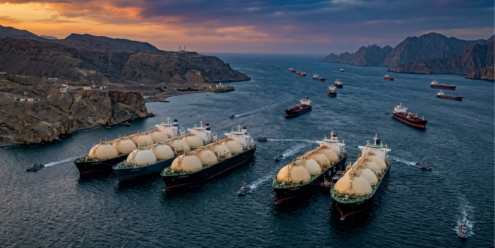
Part of ADI Analytics’ ongoing coverage of the implications of the Iran conflict across oil & gas, LNG, refined products, and chemicals. I recently spoke at the 10th Annual OCTG & Line Pipe Forecast Summit about the Middle East conflict and its implications for oil, gas, OCTG, and line pipe markets. This builds on ADI […]

 News
News
Newsletter: Lubricants beyond automotive & chemical M&A
In the October 2026 edition of the ADI Chemicals Newsletter, ADI examines how HF Sinclair, BP, and Saudi Aramco are shifting toward industrial, thermal-management, and specialty-fluid applications as engine-oil demand growth slows. Recent M&A includes Nippon Paint Holdings’ agreement to acquire AkzoNobel’s decorative paints business in Southeast Asia and Oceania, alongside Heidelberg Materials’ and CRH’s […]

 Article
EU methane rule delay: A tactical retreat or climate setback?
The European Union (EU) Methane Regulation is known for its strict methane emissions transparency requirements for foreign oil and gas imports, and has driven methane emissions monitoring and reporting efforts, especially among oil and gas players serving the EU market. Under Article 28 of the EU Methane Regulation, importers are required to demonstrate that fossil […]