Refineries are responsible for the production of transportation fuels and other products, such as petrochemicals and lubricants, but they also contribute significantly to global GHG emissions. According to the U.S. Environmental Protection Agency (EPA), refinery GHG emissions in 2023 amounted to 160 million metric tons CO2 equivalent (MMT CO2e), with over 70% resulting from fuel combustion and the rest from process-related activities.
As global decarbonization efforts continue to gain momentum, refiners face growing pressure to reduce GHG emissions and comply with regulatory requirements. For instance, in the U.S., Renewable Fuel Standards (RFS) and Low Carbon Fuel Standards (LCFS) in California push refiners to produce fuels with low carbon-intensity. Similarly, carbon pricing such as the Emissions Trading System (ETS) in Europe and carbon taxes in Canada, Norway, and Sweden impose financial penalties on refiners for their GHG emissions.
Decarbonizing refineries can be a complex process which requires strategic planning. In the following sections, we discuss several key strategies to address refineries’ GHG emissions from both fuel combustion and process operations.
Strategies to reduce 70% of refineries’ GHG emissions from fuel combustion
There are several effective strategies to reduce GHG emissions from fuel combustion in refineries, including (1) improving energy efficiency, (2) switching to cleaner fuels, (3) electrification, and (4) incorporating renewable energy (see Exhibit 1).
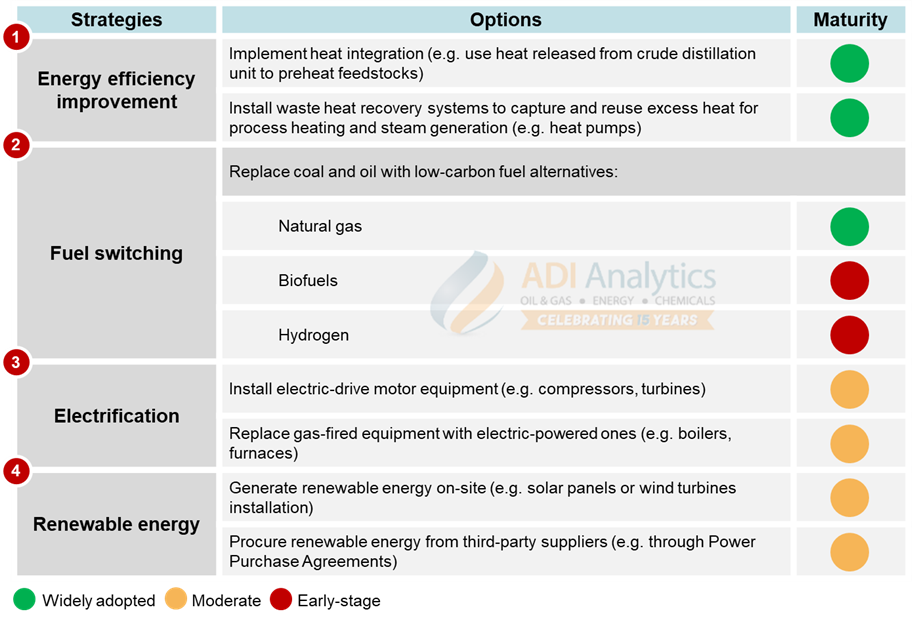
Exhibit 1: Decarbonization strategies to reduce refineries’ GHG emissions from fuel combustion
Below, we delve in detail into each of the strategies and options to reduce refineries’ GHG emissions from fuel combustion outlined in Exhibit 1, highlighting their maturity and use cases at refiners.
The rest of this article is available to ADI Plus subscribers.
Log in or subscribe to unlock ADI Plus content >>
Have questions? We're happy to help.
About ADI Analytics
ADI is a prestigious, boutique consulting firm specializing in oil and gas, energy, and chemicals since 2009. We bring deep expertise in a broad range of markets where we support Fortune 500, mid-sized and early-stage companies, and investors with consulting services, research reports, and data and analytics, with the goal of delivering actionable outcomes to help our clients achieve tangible results.
We also host the ADI Forum that brings c-suite executives together for meaningful dialogue and strategic insights across the oil & gas, energy transition, and chemicals value chains. Learn more about the ADI Forum.
Subscribe to our newsletter or contact us to learn more.